
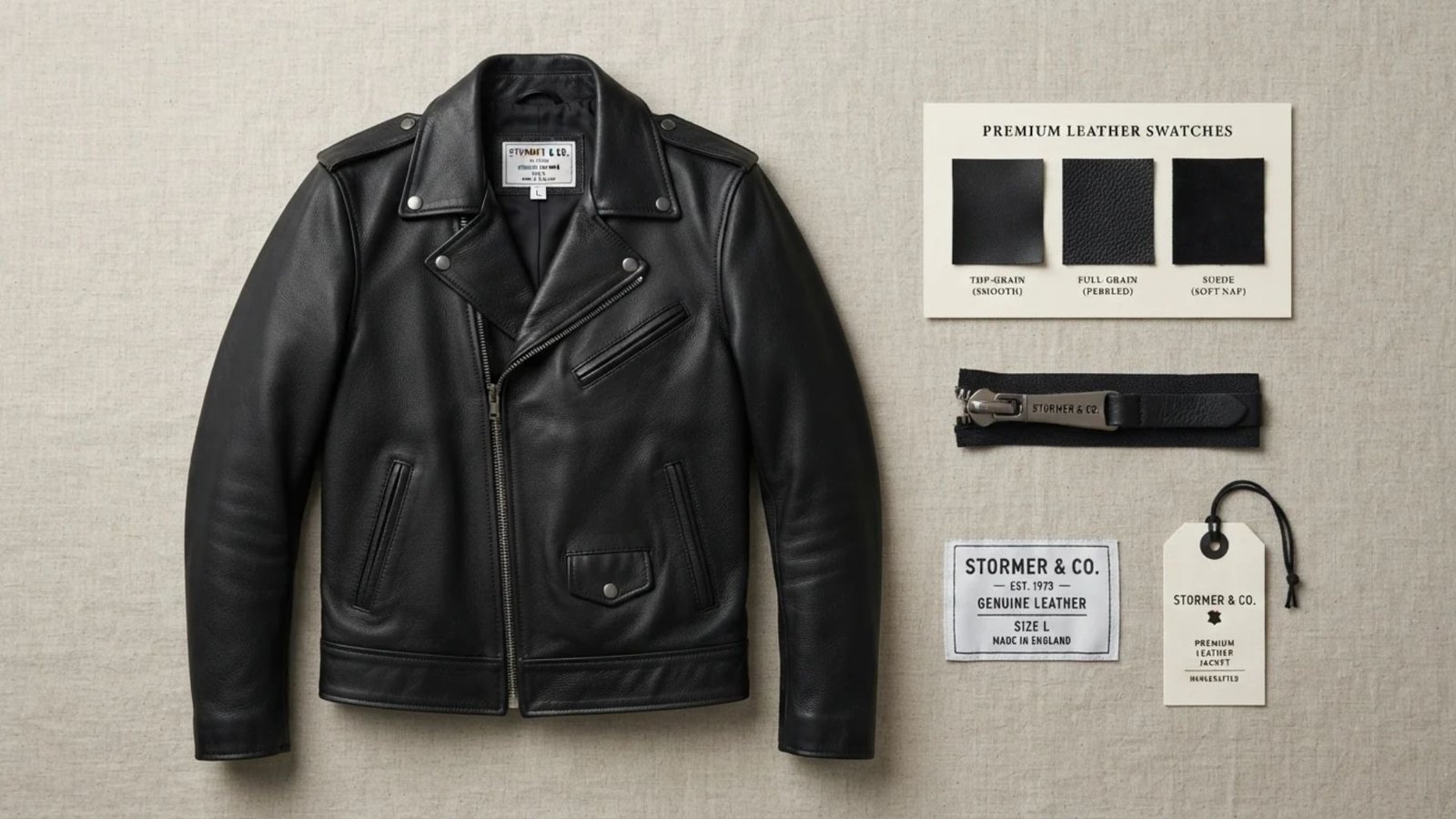
Leather Jacket Manufacturing Cost: What Brands Actually Pay in 2026
You send the same tech pack to three factories. One quotes $40/pc FOB, another quotes $75/pc FOB, and the third comes back higher than both. Nothing in the drawings changed. So what are you actually paying for?
This guide breaks a leather jacket down into the parts that carry the cost. By the end you will be able to read a quote line by line, see which factory is cutting corners, and work out your own landed cost before you commit to a bulk order.
We are a leather jacket manufacturer in Sialkot, Pakistan, and these are the same figures we walk our own buyers through.
Where the money goes in a leather jacket
Four things decide your unit price, in this order of impact.
- The hide. The single largest input on almost every jacket. Grade, animal and finish move this number more than anything else you choose.
- Labour. A leather jacket is cut and stitched by hand by a skilled operator. More panels, more linings and more topstitching mean more hours.
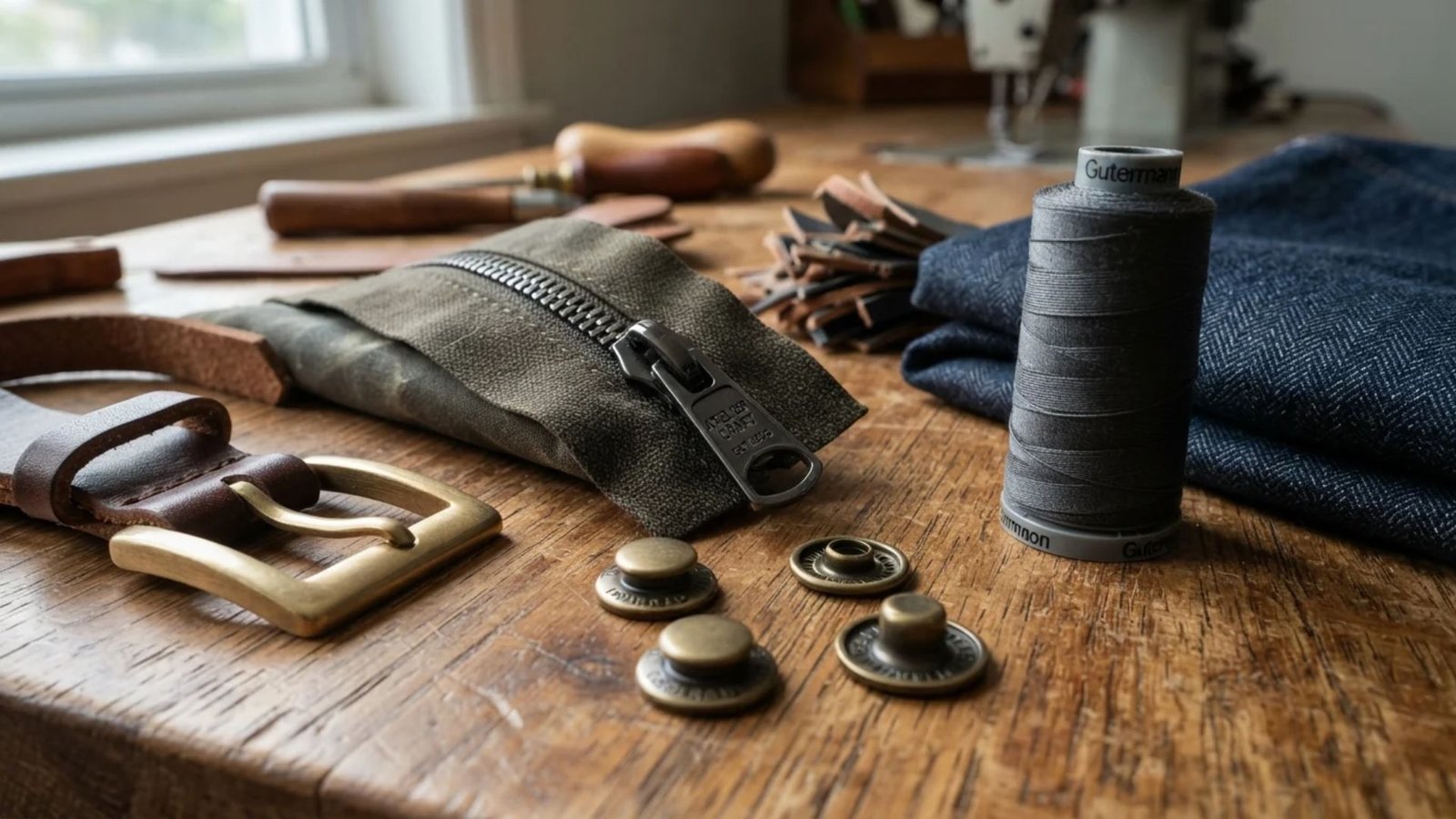
- Hardware and trims. Zips, snaps, buckles, thread and lining. Individually small, collectively not.
- Branding and packaging. Woven labels, hangtags, embossing, polybags and cartons.
Shipping, duty and sampling sit outside the unit price. We cover those further down, because they are where first-time importers get caught.
Leather cost — the part most quotes hide
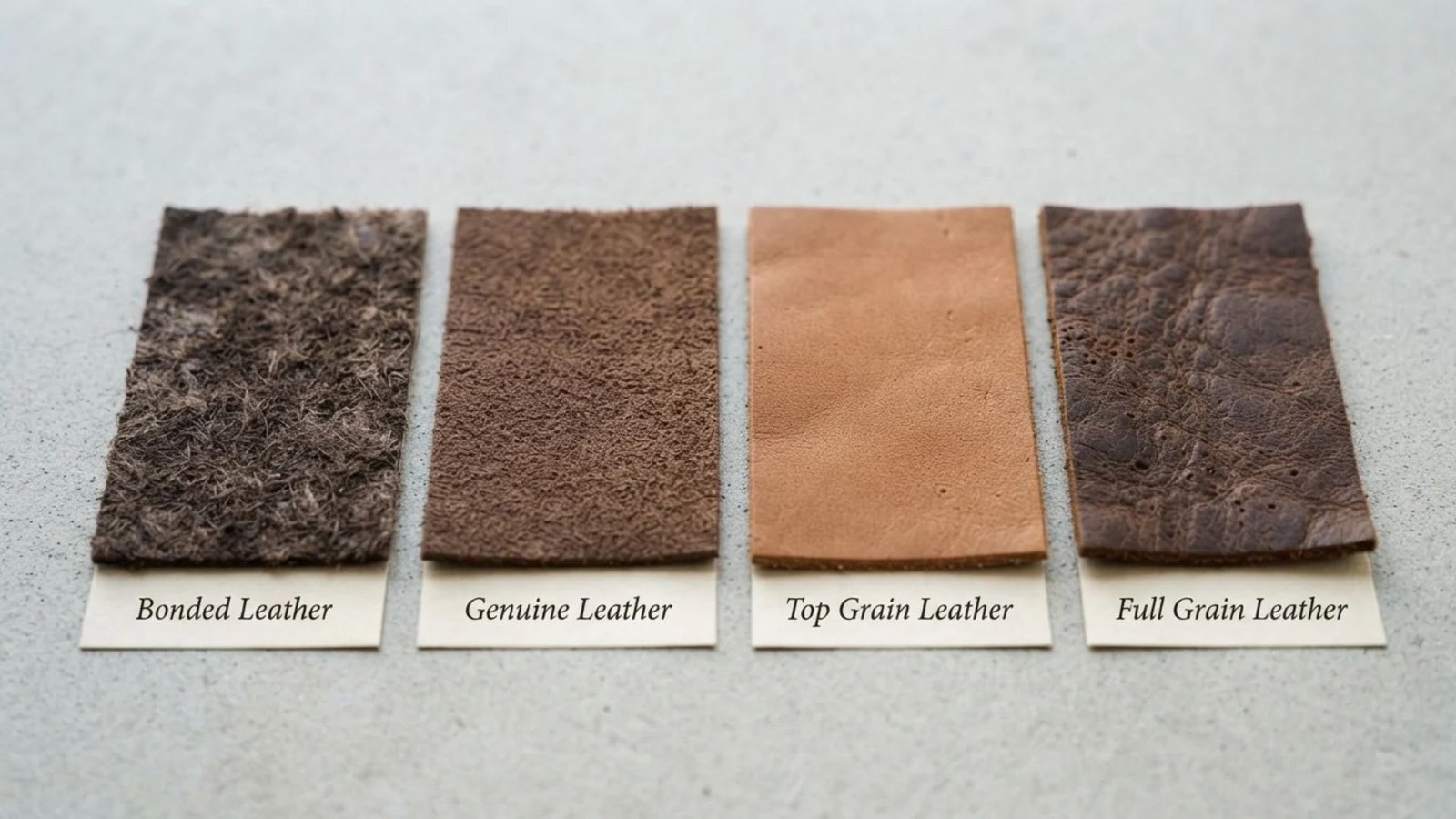
A standard men’s jacket in a medium uses roughly 18–22 sq ft square feet of leather. Larger sizes and longer bodies use more. That consumption figure matters, because leather is priced per square foot, so the hide cost on your jacket is consumption multiplied by the rate for the grade you picked.
The grades, cheapest to most expensive:
- Bonded leather. Leather scrap ground up and bonded to a backing. It is not a material we use for jackets. It cracks.
- Genuine leather. The honest bottom of the real leather range. A split lower layer, corrected and finished. Thin, uniform, and the first thing to go when a factory needs to hit a low target price.
- Top grain. The outer layer, sanded to remove marks, then finished. Even colour, soft hand, the standard for most fashion jackets.
- Full grain. The outer layer untouched. Keeps the natural grain and the scars. Strongest, ages best, costs the most, and the hardest to match across a bulk run.
Animal matters as much as grade:
- Lightest and softest. The reason an oversized lambskin bomber feels the way it does. Scuffs more easily.
- Soft with more body than lamb. What we use on pieces like the Roy sheepskin biker jacket.
- Pebbled grain, light, and tougher than it looks.
- Thickest and most abrasion resistant, which is why it goes on motorcycle jackets. Heaviest and stiffest to wear in.
- Hide with the wool left on. The most expensive option on the list, and the reason a shearling jacket sits in a different price bracket entirely.
If a quote looks impossibly cheap, the hide is almost always where the saving came from. Ask which grade and which animal, in writing, on the quote.
Design complexity — in plain terms
Two jackets in the same leather can differ by a wide margin on labour alone. Panel count is the quickest way to judge it.
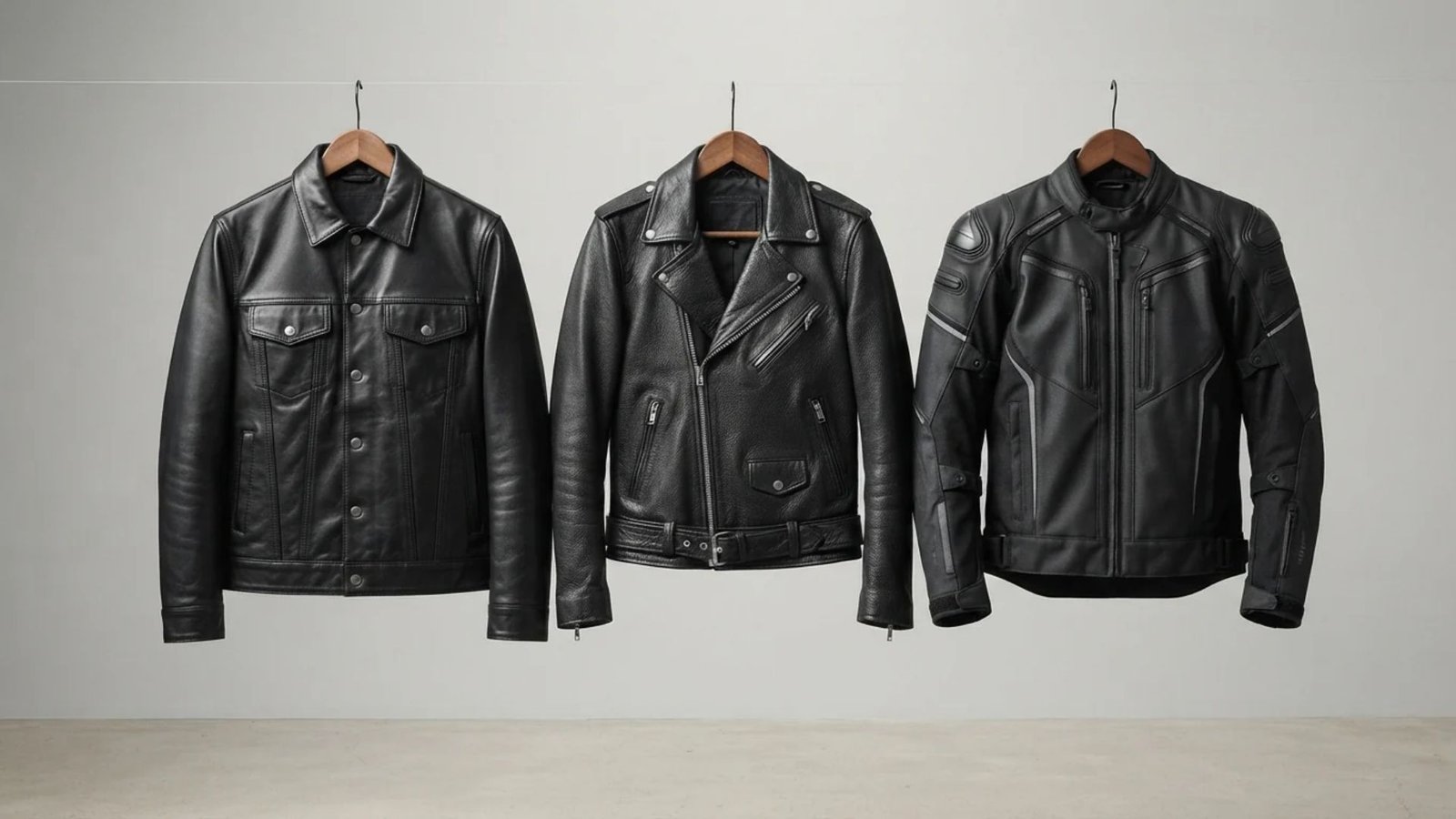
Simpler to build: a clean cafe racer or a trucker jacket. Few panels, one zip, patch pockets, straight hems.
More involved: a classic biker. Asymmetric zip, belted waist, zipped cuffs, multiple welt pockets, often a quilted lining.
Most involved: a motorcycle jacket built for riding, or anything with shearling. Armour pockets, perforated panels, reinforced seams, accordion stretch panels, or wool that has to be matched and graded.
Open the same catalogue and compare a leather vest against a lined jacket. Less leather, far less stitching, and a unit price that reflects both. If your margin is tight on a first order, a simpler silhouette in a better hide usually sells better than a complicated one in a cheaper hide.
Hardware and trims
Specify these or the factory will choose for you.
- The biggest single hardware decision. A branded zip from a known maker costs several times what a generic one does, and it is the part your customer touches every day. A failed zip is a returned jacket.
- Snaps, buckles and D rings. Finish matters. Antique brass and gunmetal cost more than plain nickel.
- Polyester taffeta at the low end, viscose or quilted satin higher up. Quilting adds both material and labour.
- Bonded nylon on anything that takes stress.
Branding and packaging
This is what turns a factory jacket into your jacket.
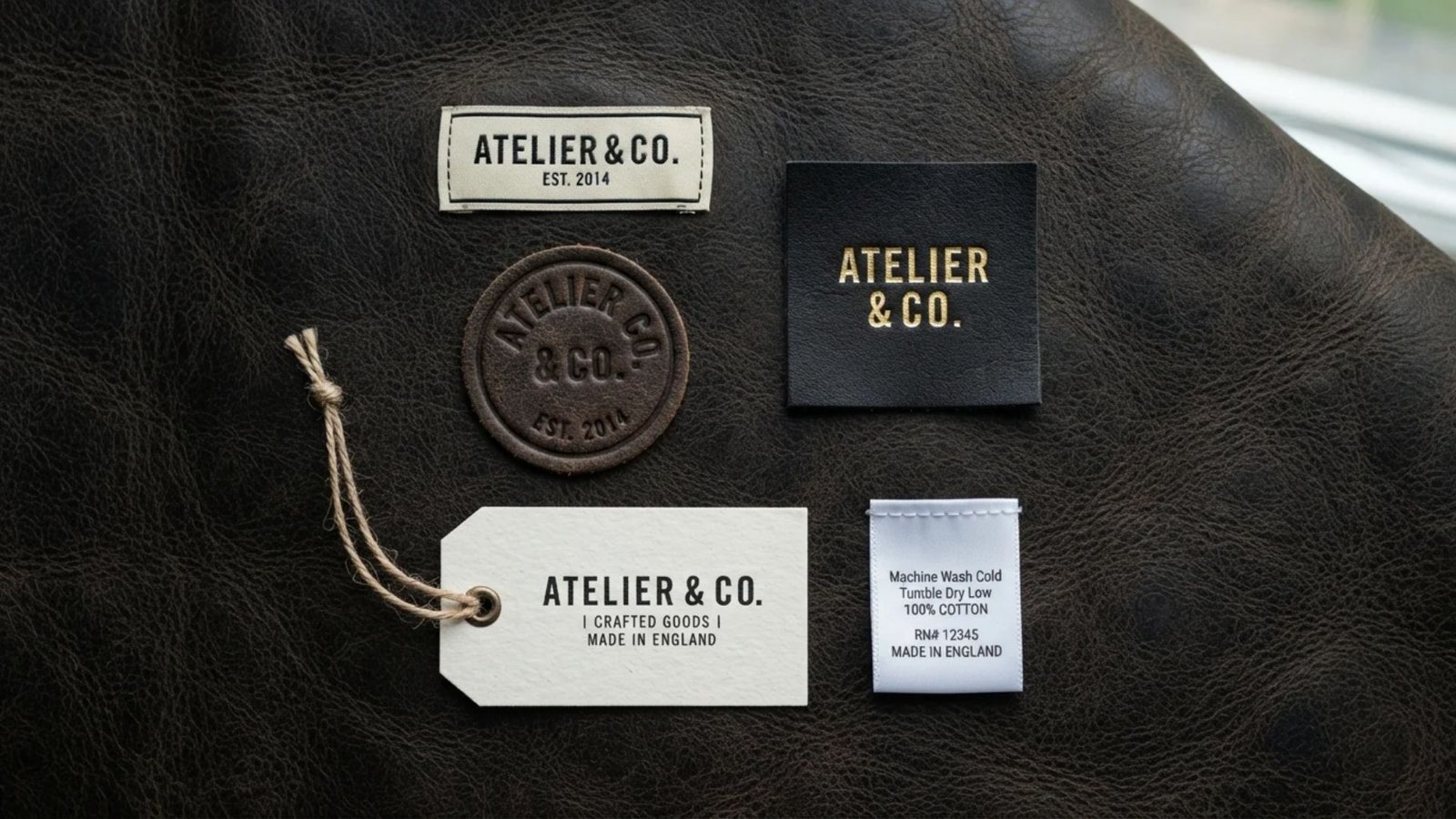
- Woven neck label or leather patch
- Size and care labels (required by law in many markets)
- Embossed or debossed logo on the body or pocket
- Printed hangtags
- Polybag, tissue, carton
Most of these carry their own minimums, separate from the garment minimum. Custom woven labels in particular are usually ordered in thousands, so a small jacket run can end up holding label stock for later orders. Worth planning across your whole range, including hoodies and basics, so one label order covers everything.
How order quantity changes your unit price
Pattern making, grading, marker making and machine setup cost the same whether you make 20 jackets or 2,000. Spread over 20, that setup is heavy. Spread over 2,000, it almost disappears.
Our own minimums and the price at each tier:
| Order quantity | Unit price | Notes |
| Sample (1–2 pieces) | $150 per sample, credited on orders of 50+ pieces | Sampling fee — often credited against bulk order |
| 50 pieces per style | $85 FOB | Our standard minimum |
| 100 pieces per style | $72 FOB | |
| 300 pieces per style | $58 FOB |
Minimums are per style and usually per colour, because every colour means a separate dye lot. Three colourways of one jacket is three minimums, not one. Ask about this before you plan a range.
What FOB actually includes
Most apparel quotes are FOB, and most first-time buyers read it as the final cost. It is not.
- EXW (ex works). The price at the factory door. You arrange and pay for everything after that, including export clearance.
- FOB (free on board). The factory delivers to the port and handles export clearance. You pay sea or air freight, insurance, import duty, customs clearance and inland delivery.
- Freight and insurance to your port included. Duty, clearance and inland delivery still yours.
- DDP (delivered duty paid). Everything to your door. The highest number on paper and often the simplest to budget against.
So an FOB quote is not your landed cost. Add freight, duty, clearance and delivery before you set your retail price. Leather garments carry their own tariff codes and the rate depends on your country, so check your own classification rather than assuming.
Costs people forget
Sampling. Pattern development and the first sample, typically $150–$200 per new style.
- Revised samples. Two or three rounds is normal on a new style. Each one takes time and money.
- Colour matching. Matching a specific Pantone on leather is harder than on cotton and can need its own lot.
- Label and hangtag minimums. As above.
- Testing and compliance. Required for some markets and some claims.
- Returns and spares. Most brands hold a small buffer against transit damage.
Lead time — stage by stage
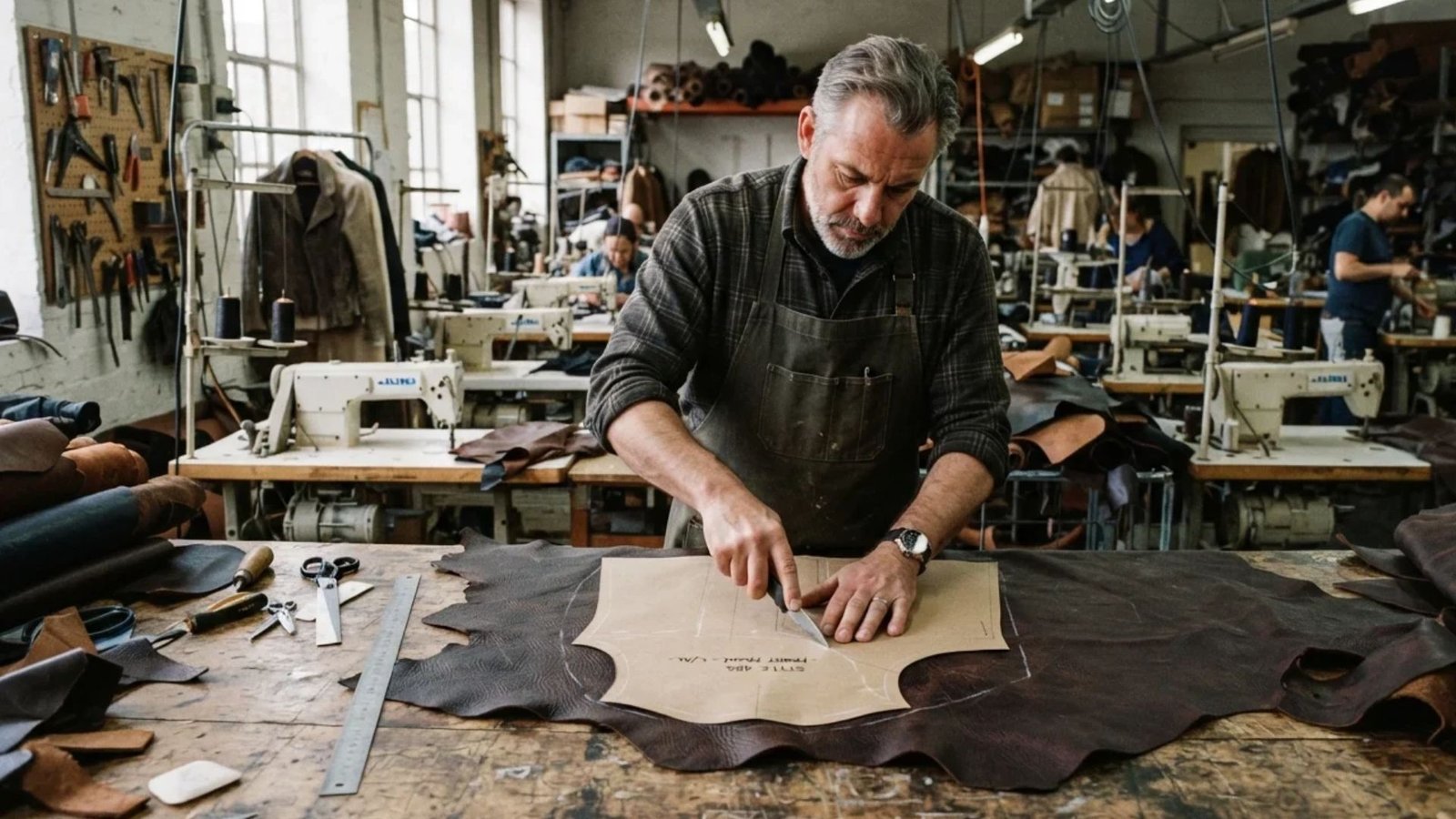
Price and time trade against each other, so plan both together.
| Stage | Typical duration |
| Pattern and first sample | 7–10 business days |
| Sample revisions and approval | 5–7 days per round |
| Material sourcing (hides) | 5–10 days |
| Bulk production | 20–25 business days |
| Sea freight | 25–35 days to UK/US |
| Air freight | 4–6 days to UK/US |
Leather has a sourcing step that cotton garments do not, because hides have to be selected and matched for the run. Build that into your launch date.
How to cut cost without cutting quality
- One larger order across fewer styles beats five small ones.
- Simplify the silhouette, not the hide. Drop a panel or a pocket before you drop a leather grade.
- Keep colours tight. Two colourways done well beat five done thinly, and each one you cut removes a minimum.
- Spend where the customer touches. Zips, lining and labels. Save on things nobody sees.
- Carry branding across your range. One label order covering jackets, vests, gloves and belts spreads that minimum further.
- Sample properly, once. A rushed approval is the most expensive thing in this guide. A bad fit discovered at 500 pieces is a write-off.
When cheap gets expensive
The lowest quote usually means one of these: a lower grade hide than you asked for, generic hardware, split linings, no in-line quality checks, or a price that excludes sampling and will be corrected later.
Before you place a bulk order, ask for: a physical sample in the exact hide and hardware, a written spec naming grade and animal, the inspection process, and a clear statement of what the quote covers and excludes. A factory that answers all four in writing is the one to work with.
Frequently asked questions
How much does it cost to manufacture a leather jacket?
It depends mainly on leather grade, construction complexity and order quantity. A simple jacket in a mid-grade hide at a reasonable volume sits well below a shearling or riding jacket in full grain. Send a tech pack or a reference image and we will quote the exact build.
What is your minimum order quantity?
50 pieces per style, and generally per colour. Sample orders are available separately.
Can I order one jacket to check quality first?
Yes. We make samples before any bulk order, and we recommend it on every new style.
Does your price include shipping and duty?
Our standard quotes are FOB unless stated otherwise. That covers production and delivery to port with export clearance. Freight, import duty and clearance in your country are separate. We can quote DDP if you prefer one number.
Can you work from a reference jacket instead of a tech pack?
Yes. Send photos, measurements, or the jacket itself. We pattern from a physical reference regularly.
Do you do private label branding?
Yes. Woven labels, leather patches, embossing, custom hangtags and packaging. Note that labels and tags carry their own minimums.
Get a costed quote
Send your design, your target quantity and your market, and we will come back with a line-by-line quote that shows the leather, hardware, labour and branding separately, so you can see what you are paying for.
Request a quote or browse our leather jacket range to find a base style to work from.
Related reading: Custom Leather Jacket Manufacturer: The Complete 2026 Sourcing Guide
New posts

September 24, 2026
The Ultimate Guide to Buying a Leather Jacket (2026)
September 7, 2026



Leave a comment